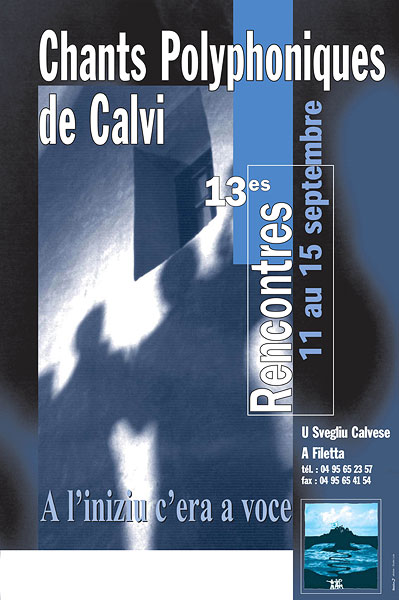
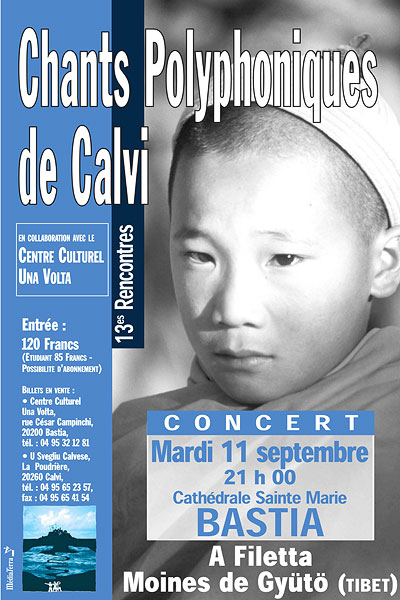
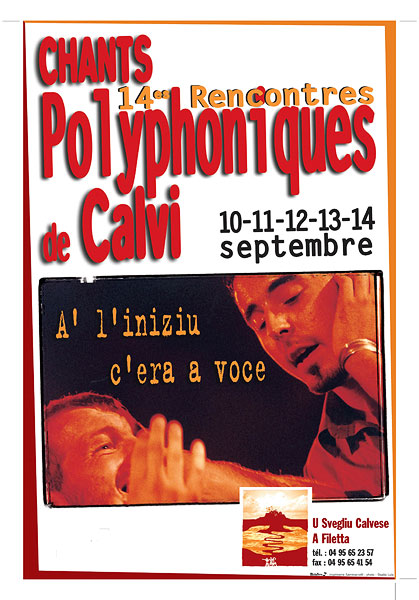
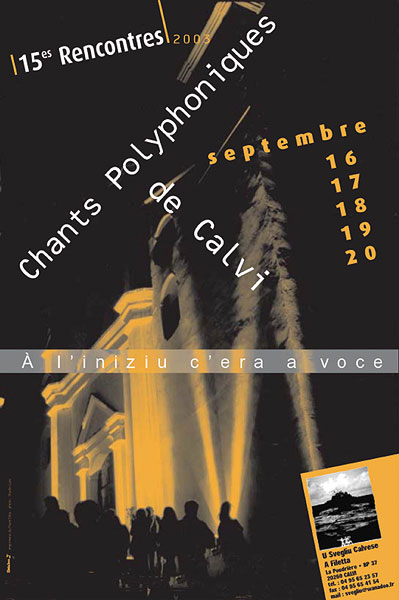

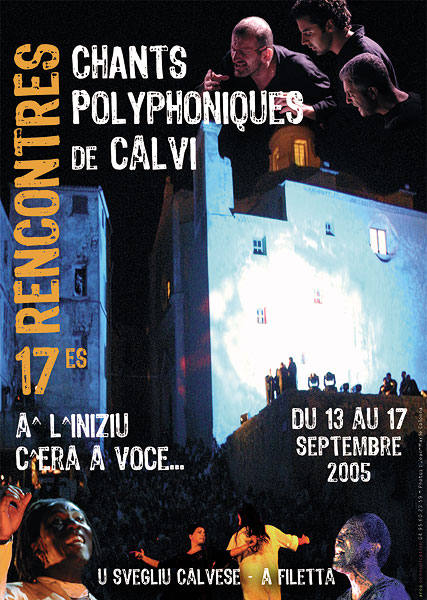
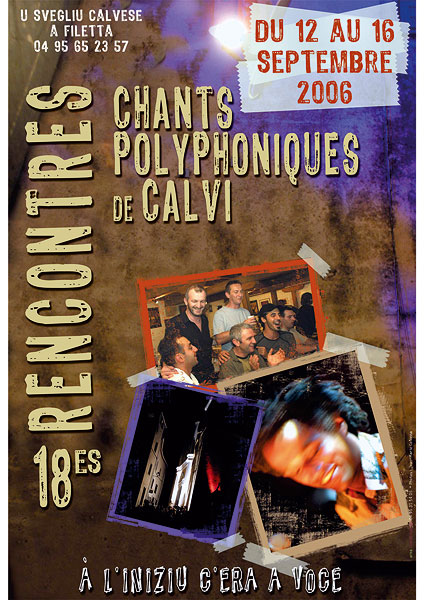
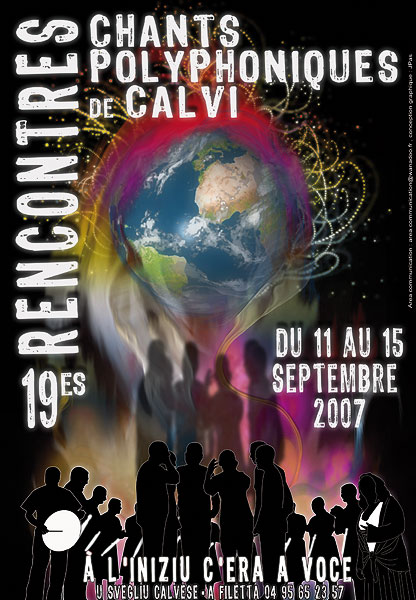
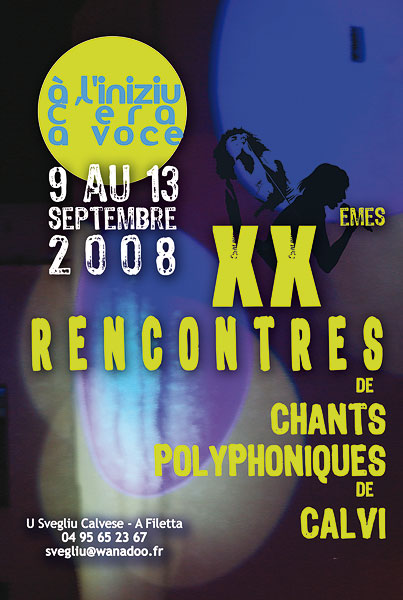
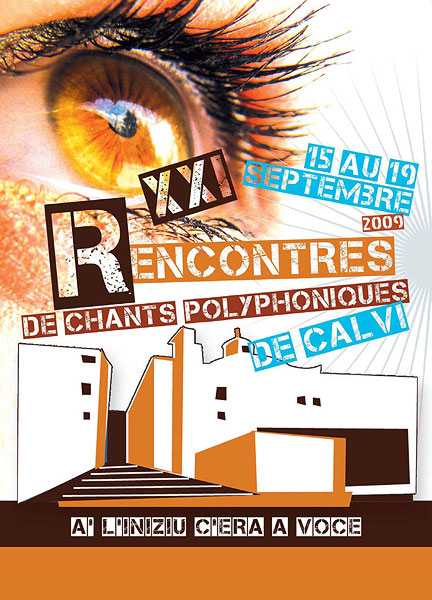
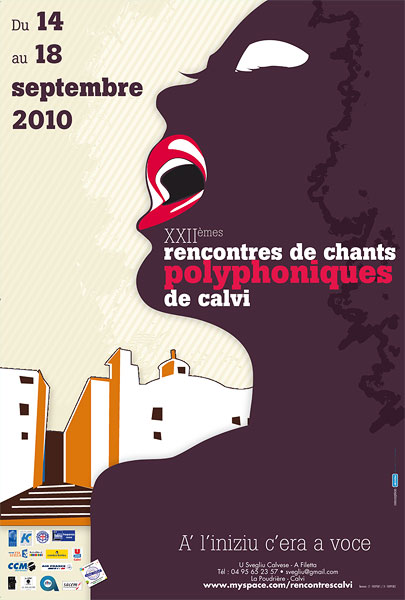
A' l’iniziu c’era a voce, In the beginning was the voice…
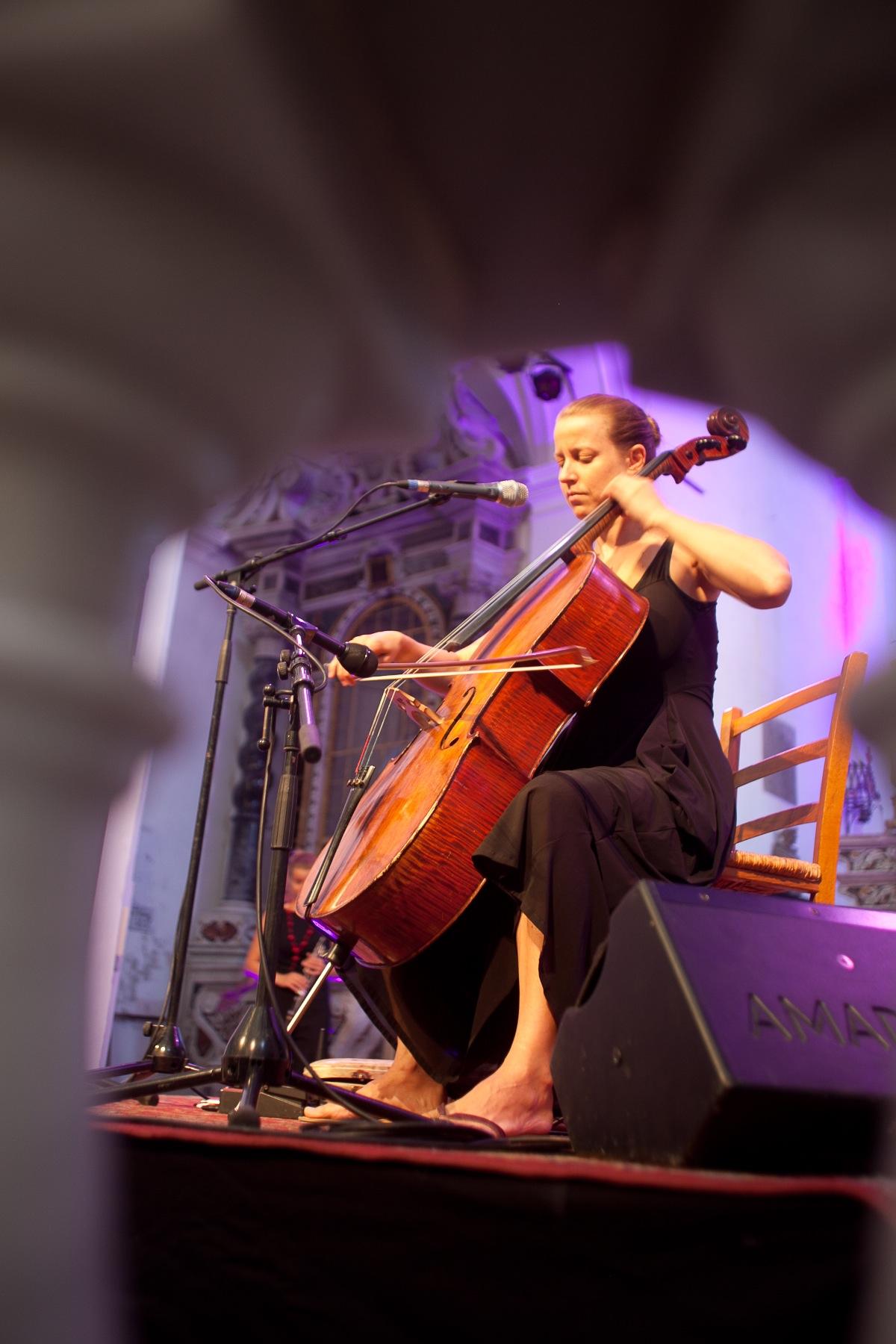
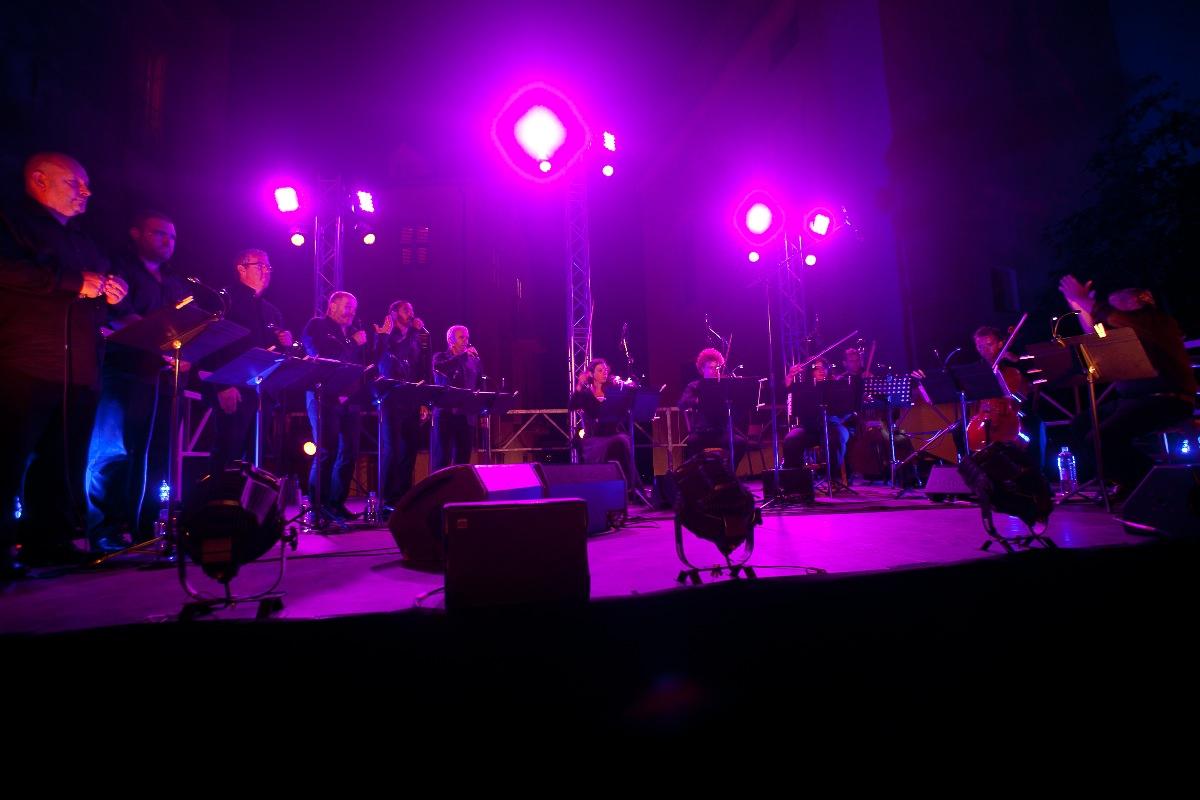
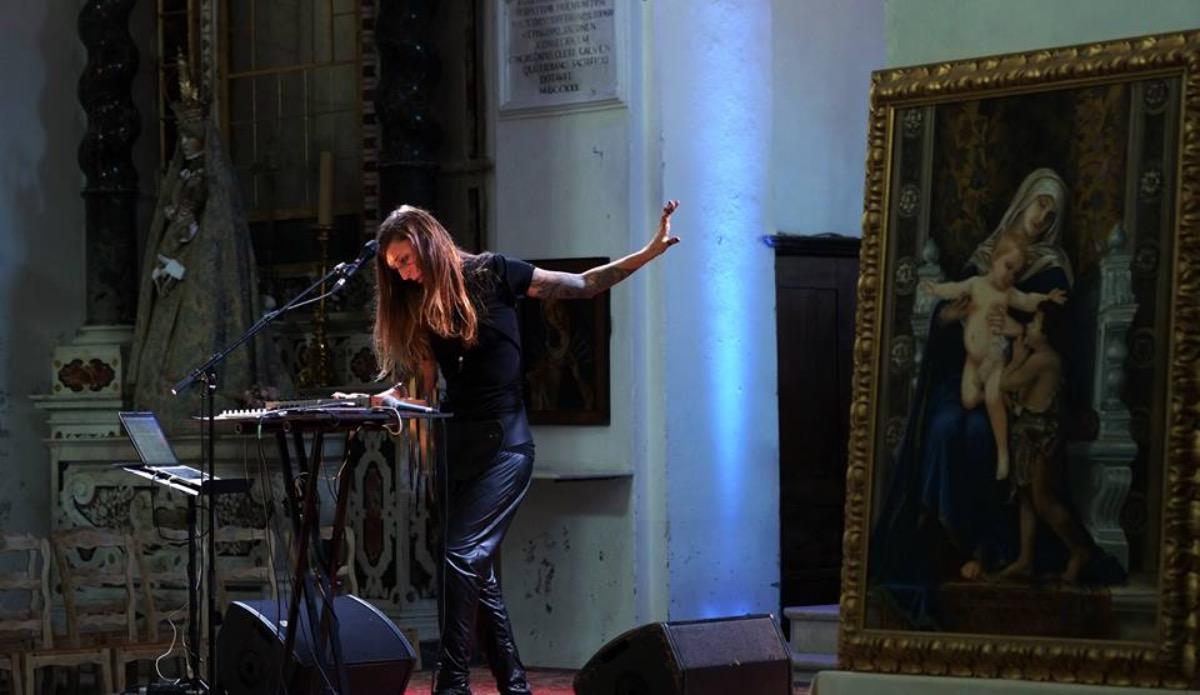
September 1989 : U Svegliu Calvese organised a concert, at the request of the group A Filetta, in the Saint Jean-Baptiste cathedral, in the citadel of Calvi.
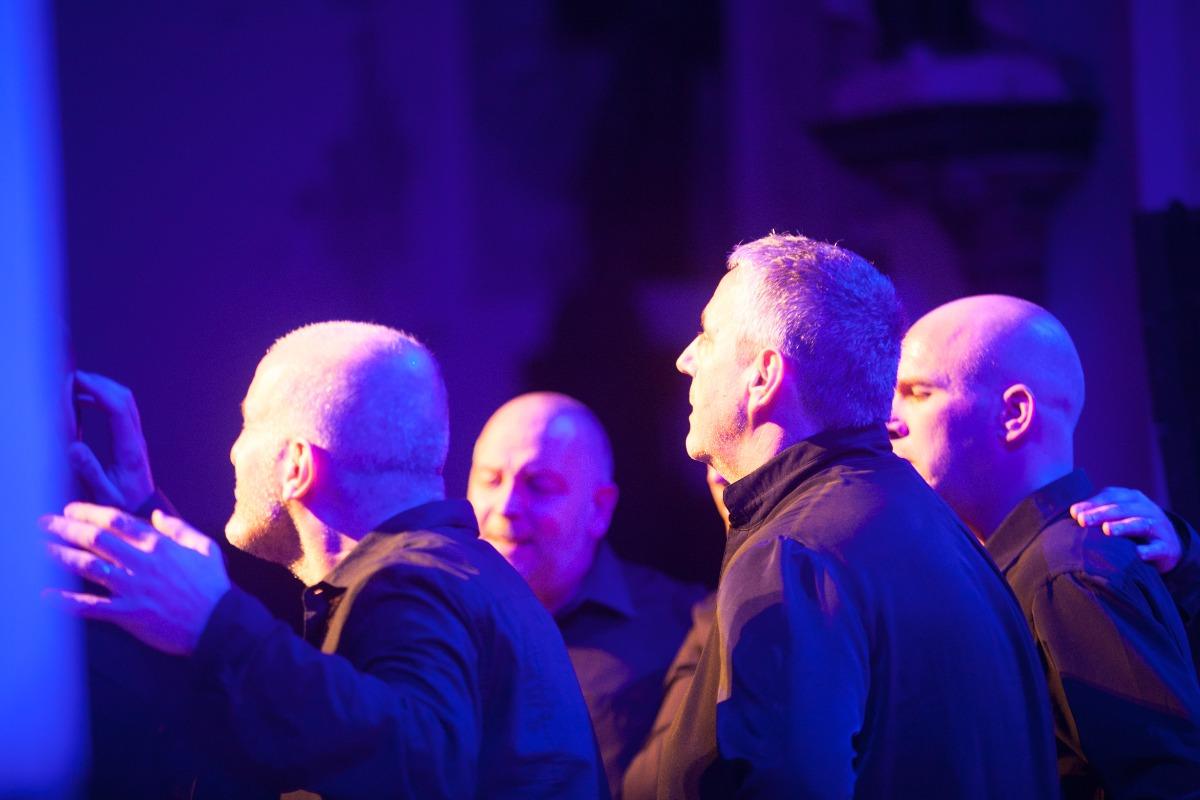
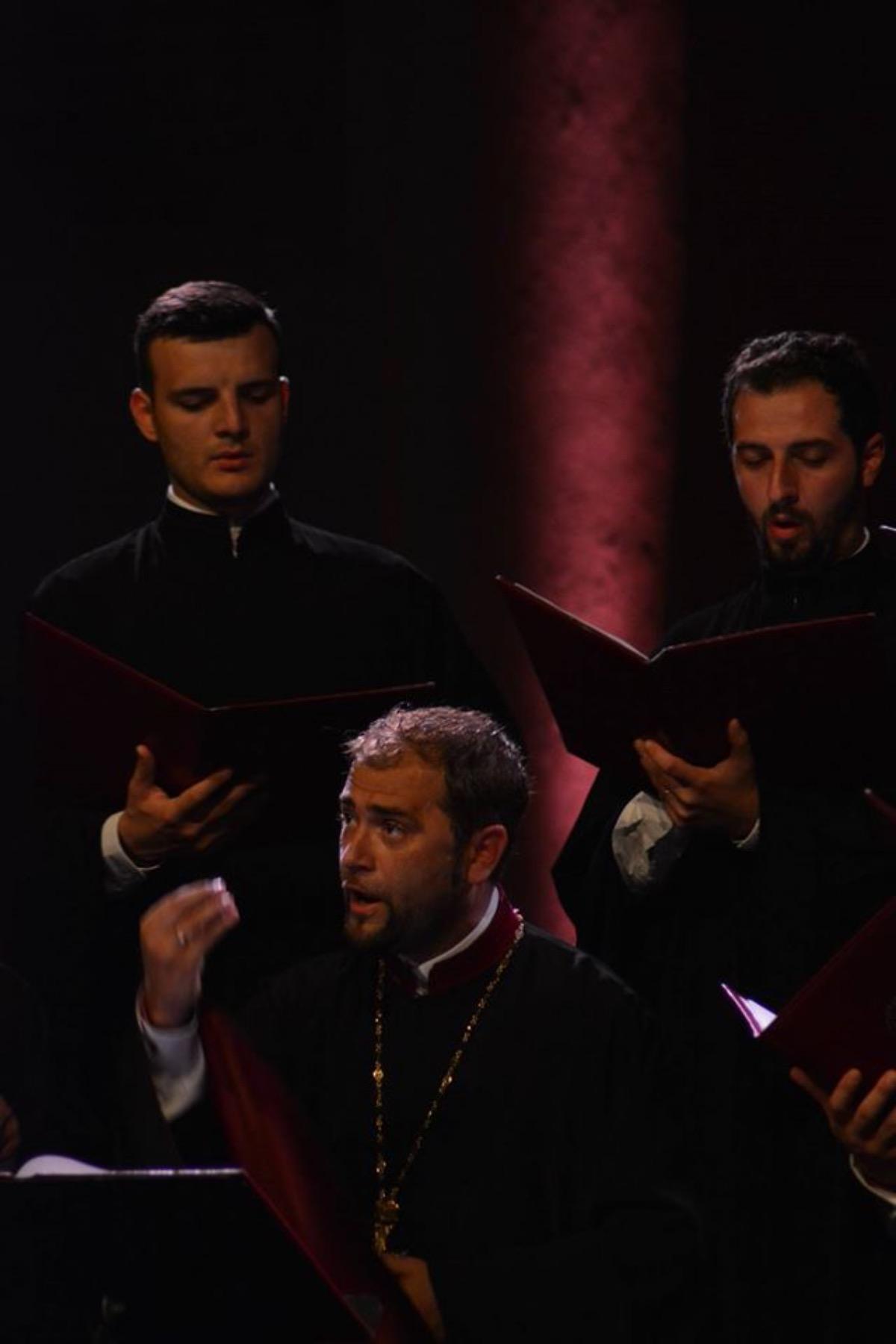
A Filetta had just come back from a visit to Sardinia, and the singers wanted to return the invitation to their colleagues from the village of Orosei, who had so warmly welcomed them. The Corsican voices rose, rough but tender, moving from pure tradition to the timid compositions which they had valiantly attempted, sure of writing the tradition of tomorrow. Then the Sardinian voices started up, powerful, raucous and thundering, like an impetuous flood, unleashing all the sacred and profane traditions of the sister island. Surprise and joy for the public, who discovered with the two ensembles the emotion that comes from this collective expression, raw and without artifice.
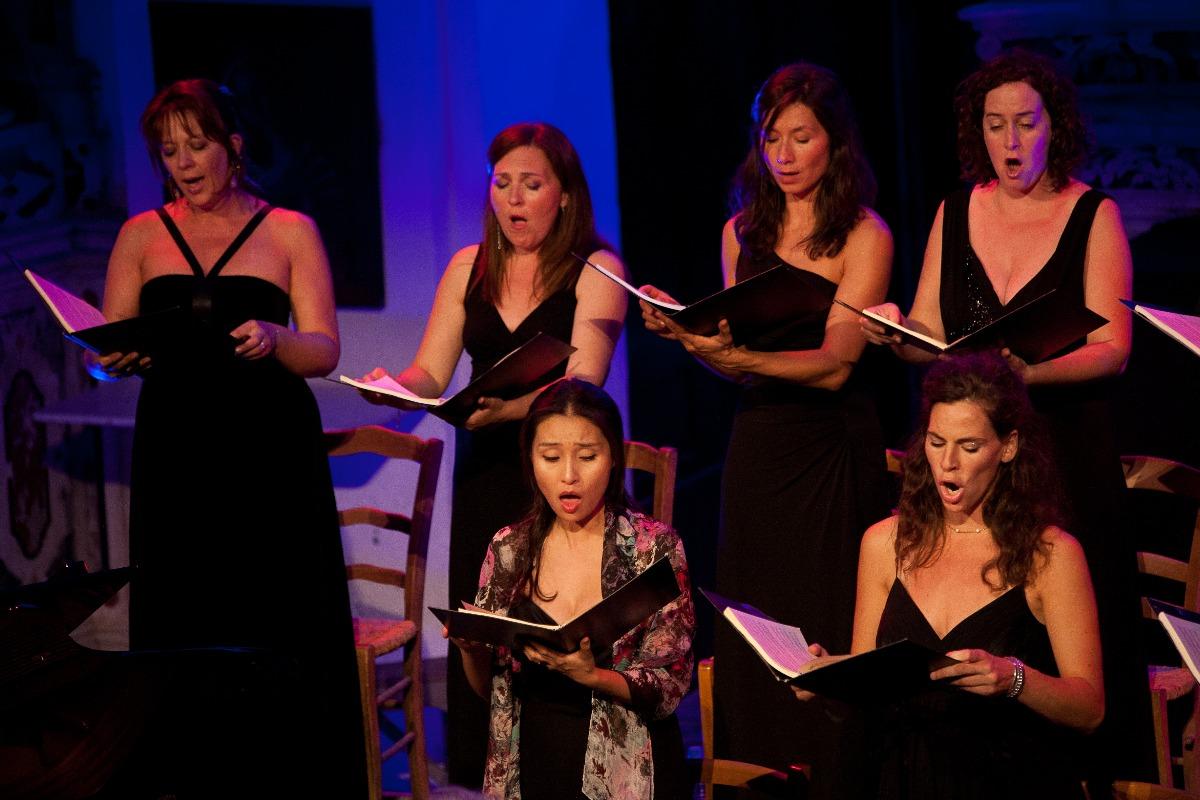
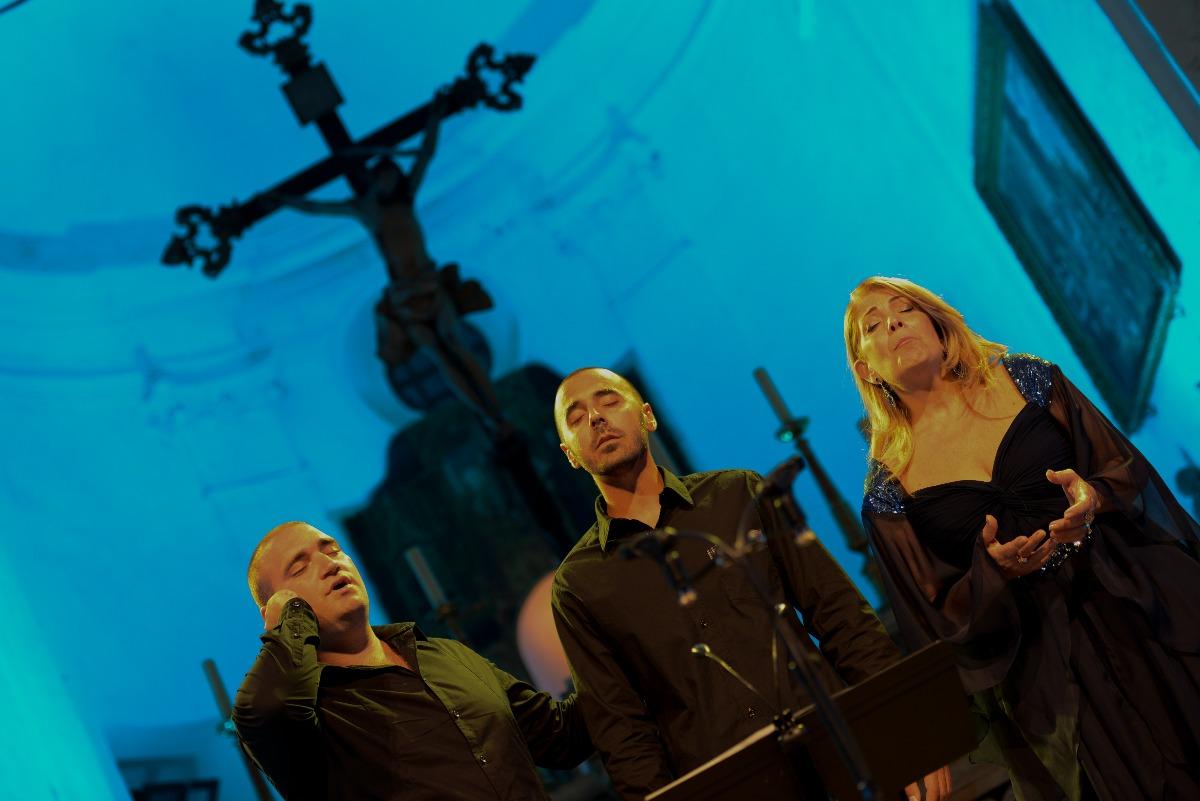
The Polyphonic Singing Encounters were thus founded: from a first warm and vibrant meeting; from a vocal expression where the individual is amplified by his place in a group; from an exchange that is made note by note, sound by sound, which lets appear all the truth that is in a soul.
Thirty years later A Filetta still welcome invited groups. At the initiative of Svegliu Calvese, whether they come from Georgia, Reunion Island, Tibet, Brittany or Sardinia, of course. The compositions have matured, filled out, having been nourished and enriched by a thousand encounters, but the pleasure is still there of discovering, in these voices be they close or distant, the primordial breath of mankind.
For as Henri Gougaud says: «More beautiful than themselves is the singing of men. Nothing says more bravely their deprivation, their faith, their unexpected grandeur.»



creation site internet en corse : www.castalibre.com

